
Ton-Level Production & Ready Stock from Tianjin Chuangwei New Materials
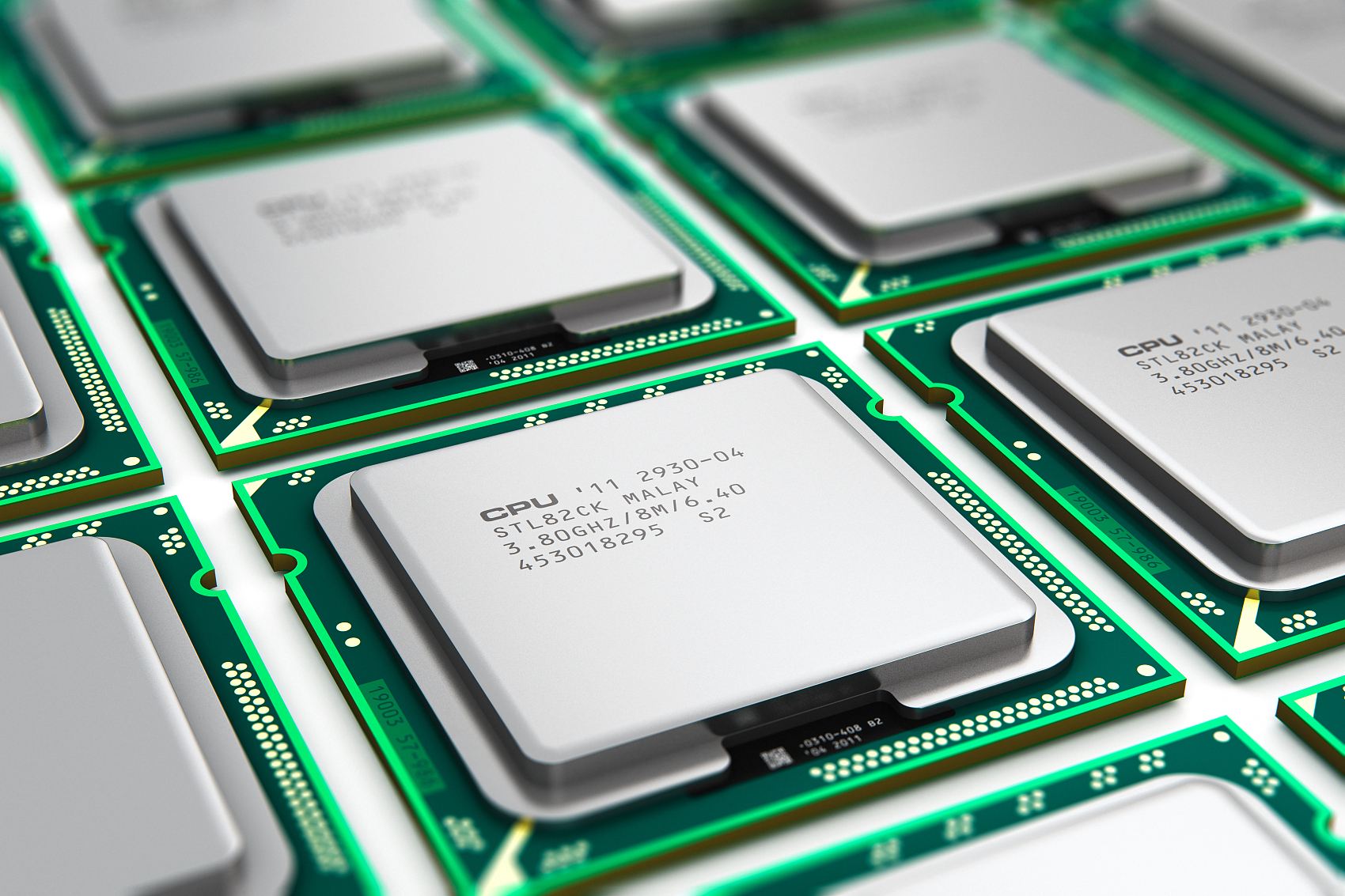
In the era of artificial intelligence (AI), computing power has become a decisive productive force. The training and inference of large models such as ChatGPT and Gemini require massive GPU clusters, and behind these high-performance chips lies a stringent demand for advanced packaging materials. Traditional dielectric materials struggle to meet the dual requirements of high-speed signal transmission, low power consumption, and thermal management. Low-dielectric-constant (low-k) materials have emerged as a breakthrough. Among them, benzocyclobutene (BCB)-based polymers have long dominated the high-end electronic packaging market due to their excellent dielectric properties, thermal stability, and low moisture absorption.
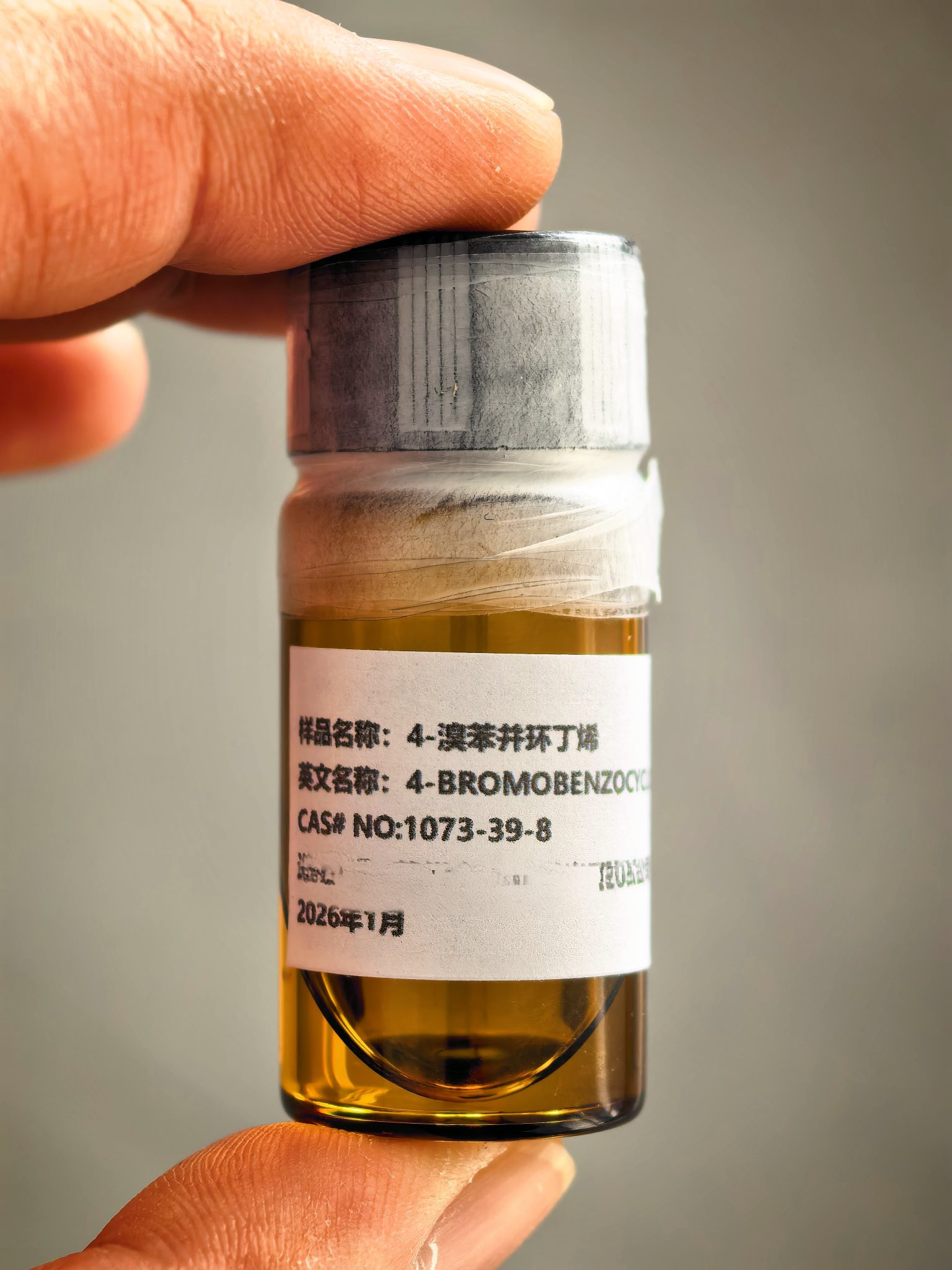
4-Bromobenzocyclobutene (4-BrBCB, CAS: 1073-39-8), as a key functionalized monomer in the BCB family, is quietly emerging as an “invisible champion” in this field. It serves not only electronic packaging but also extends to pharmaceutical intermediates and novel self-polymerizing monomer precursors. With the explosive growth in AI computing demand, accelerated development of innovative small-molecule drugs, and diversification of high-performance polymer materials, the market potential of 4-BrBCB is rapidly being unleashed. This article explores its core applications, analyzes the driving factors, and looks ahead to future trends.
Basic Properties and Synthesis Advantages of 4-Bromobenzocyclobutene
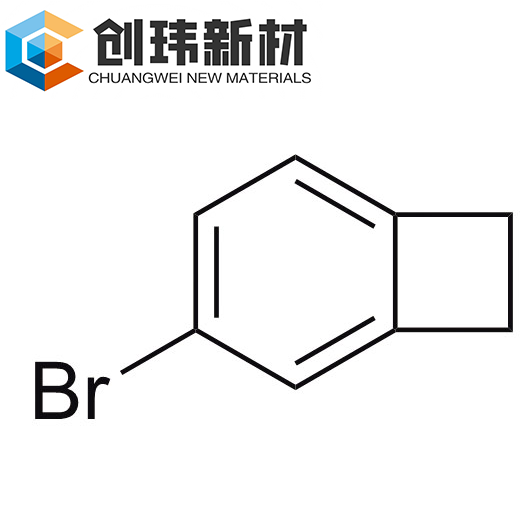
4-BrBCB is a colorless to pale yellow liquid with the molecular formula C₈H₇Br, molecular weight 183.05, density ≈1.47 g/mL (25°C), refractive index n²⁰/D ≈1.589, and boiling point 118–119°C (20 Torr). Its structure features a benzene ring fused with a four-membered cyclobutene ring, with a bromine atom at the 4-position, endowing it with high reactivity. The bromine enables various reactions such as nucleophilic substitution, elimination, Suzuki coupling, and Heck coupling, making it an ideal “handle” group.
The synthesis route is relatively mature: starting from o-chlorotoluene, high-temperature pyrolysis yields benzocyclobutene, followed by selective bromination (commonly using a Br₂/I₂/AcOH system) to obtain 4-BrBCB with controllable yield. The process has low technical barriers, readily available raw materials, and relatively affordable costs, laying a solid foundation for large-scale commercialization.
The BCB, 4-BrBCB, 4-VBCB, and other series products produced by Tianjin Chuangwei New Materials Co., Ltd. feature high purity, excellent batch consistency, and ample spot availability, making them the preferred choice for many R&D and production teams.
Core Applications in Electronic Packaging: The “Functionalization Key” for Low-k Dielectric Materials
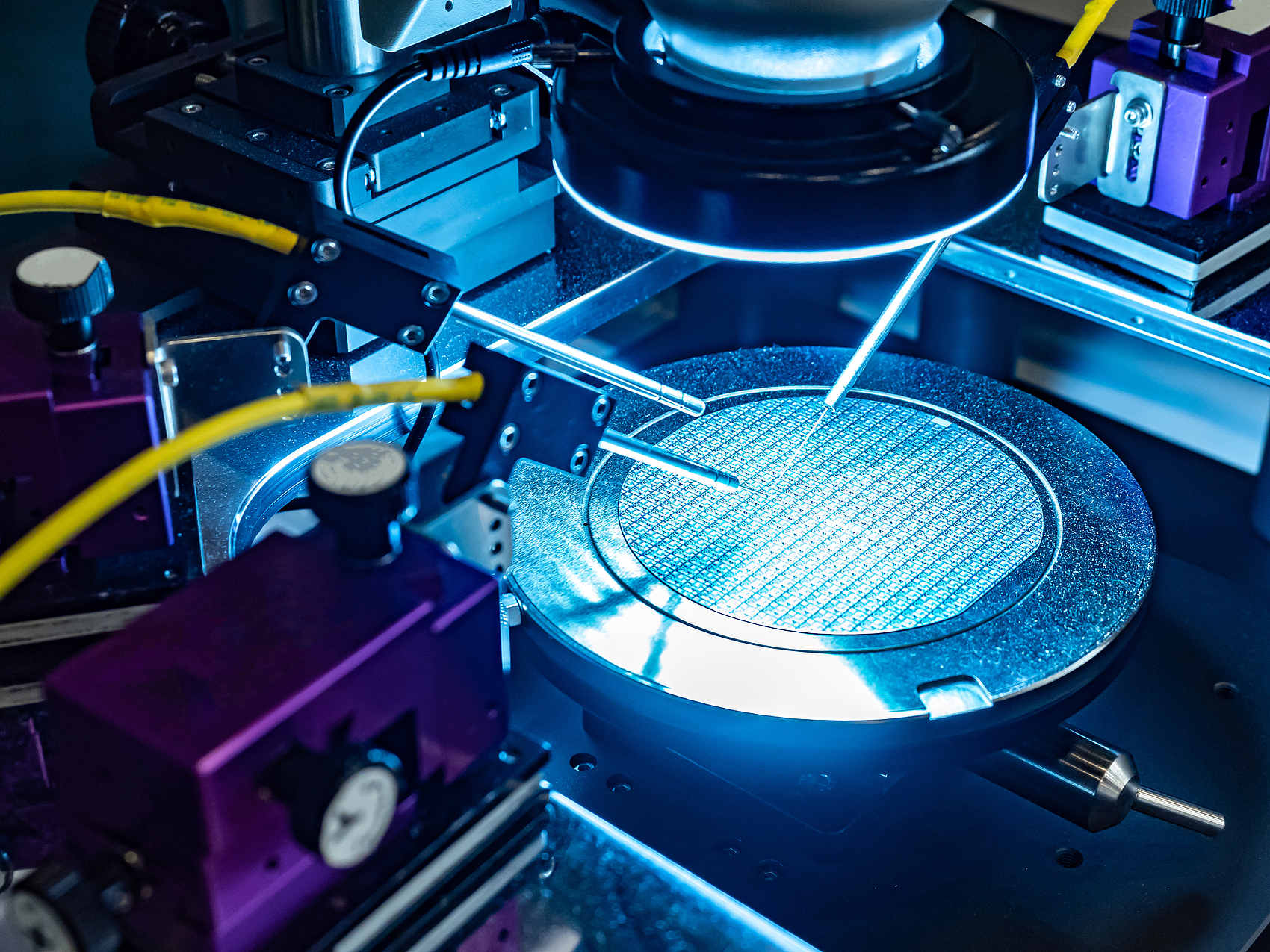
BCB polymers are recognized as one of the leading representatives of low-k dielectric materials. Pure BCB monomer, when heated (around 250°C), undergoes [4+4] or [2+2] ring-opening reactions to form a crosslinked network, achieving a dielectric constant (Dk) as low as 2.5–2.7, dissipation factor (Df) <0.001, thermal decomposition temperature >350°C, water absorption <0.2%, and low coefficient of thermal expansion. These properties far outperform traditional epoxy resins and polyimides, making them particularly suitable for wafer-level packaging (WLP), fan-out wafer-level packaging (FOWLP), and 3D heterogeneous integration.
However, pure BCB polymers face challenges such as difficulty in precisely controlling crosslinking density and limited adhesion. The introduction of 4-BrBCB addresses these pain points: the bromine atom serves as a functionalization site, allowing coupling reactions to incorporate other groups (such as fluorinated chains, POSS cage structures, alkynyl groups, etc.) to prepare customized BCB monomers. For example:
- Coupling with siloxane- or fluorine-containing monomers to reduce Dk below 2.4 while improving heat resistance;
- Synthesis of BCB end-capped imide monomers for high-Tg low-k resins;
- Compounding with DVS-BCB (divinylsiloxane-benzocyclobutene) to prepare low-loss materials suitable for high-frequency 5G/6G packaging.
Potential in the Biopharmaceutical Field: The “Universal Building Block” for Small-Molecule Drug Intermediates
Bromoarenes are among the most common “scaffold” groups in drug synthesis. 4-BrBCB combines bromine with the rigid BCB framework, imparting unique spatial conformation and metabolic stability to molecules.
In small-molecule drug development, 4-BrBCB serves as a key intermediate:
- Through Heck/Suzuki coupling to introduce heterocycles, amines, carboxyl groups, etc., for synthesizing kinase inhibitors and anti-tumor drug precursors;
- The rigidity of the BCB skeleton helps improve conformational restriction in drug molecules, enhancing target affinity;
- The bromine atom facilitates late-stage radioactive labeling for the development of PET imaging probes.
Furthermore, the BCB structure holds application potential in biocompatible materials. Some studies have utilized functionalized BCB polymers for biomedical coatings and tissue engineering scaffolds, leveraging their low toxicity and thermal crosslinking properties for in-situ curing without solvent residues. Amid the surge in precision medicine and antibody-drug conjugates (ADCs), 4-BrBCB, as a multifunctional intermediate, is attracting increasing attention from CRO/CDMO companies.
Multiple Driving Factors: AI Computing Power + Pharmaceutical Innovation + Polymer Upgrades
- Explosive growth in AI computing power: AI chips such as NVIDIA Blackwell and AMD MI300 adopt advanced packaging like CoWoS and SoIC, driving a surge in low-k material usage. As low-k dielectric layers become thinner, requirements for monomer purity and batch consistency increase, making stable supply of 4-BrBCB a key link in the supply chain.
- Surge in small-molecule drug R&D: By 2025, the global small-molecule drug pipeline exceeds 10,000 entries, with targeted therapies and PROTACs requiring novel building blocks. The unique structure of 4-BrBCB accelerates molecular library construction and shortens drug discovery cycles.
- Diversification of self-polymerizing monomer precursors: Researchers use 4-BrBCB to synthesize novel BCB monomers, such as alkynyl- or vinyl-containing thermoset resins, or green polymers compounded with bio-based monomers, for applications in high-frequency circuit boards, flexible electronics, and more.
The superposition of these drivers is causing exponential growth in demand for 4-BrBCB. As the world’s largest base for electronics manufacturing and pharmaceutical intermediate production, China has seen the emergence of multiple specialized suppliers with rapidly expanding capacity. Among them, Tianjin Chuangwei New Materials Co., Ltd. holds a significant share thanks to its product quality and service advantages.
Future Trends Outlook: Strong Market Demand and Outstanding Cost-Performance Advantages
Looking ahead to 2026–2030, 4-BrBCB will enter its golden period:
- Strong market demand: Annual compound growth rates exceeding 20% for low-k materials in AI servers, data centers, 6G base stations, autonomous driving chips, etc.; in biopharmaceuticals, accelerated IND filings for small-molecule drugs ensure stable intermediate demand;
- Outstanding cost-performance advantages: Compared to fully fluorinated low-k monomers, 4-BrBCB offers 30–50% lower synthesis costs, high reactivity, flexible functionalization, abundant suppliers, and secure supply chains;
- Accelerated technological iteration: AI-assisted molecular design and green synthesis processes will further reduce costs; composites with POSS, MXene, etc., will give rise to next-generation materials with Dk <2.3.
References:
- ChemicalBook.4-Bromobenzocyclobutene. https://www.chemicalbook.com/ChemicalProductProperty_EN_CB7849617.htm
- Sigma-Aldrich.4-Bromobenzocyclobutene 96%. https://www.sigmaaldrich.com/US/en/product/aldrich/762121
- Research Progress and Applications of Benzocyclobutene‐Based Polymers. Macromol. Chem. Phys. 2024, 225, 2400338. https://onlinelibrary.wiley.com/doi/10.1002/macp.202400338
- 4-Bromobenzocyclobutene (4-BrBCB): Microelectronics Industry and Pharmaceutical Industry. https://www.dgtbcb.com/news/4-bromobenzocyclobutene-4-brbcb-microelectronics-industry-and-pharmaceutical-industry-227361.html
- Preparation and Properties of Low Dielectric Constant Siloxane-Containing Benzocyclobutene Resins. PMC, 2021.


